Goalkeepers often live in a unique footballing world. They are the last line of defense, the lone figure in a sea of attackers, tasked with preventing moments of brilliance or disaster from shaping the outcome of a match. Watching a top-class goalkeeper perform is an experience unlike any other: every dive, every reaction, every command from the back can change the course of a game. Over the past two decades, I’ve followed football at the highest level, analyzing goalkeepers not only for their saves but for their leadership, decision-making, and influence on team dynamics.
In this article, we will explore the Top Goalkeepers in the World, examining their technical abilities, mental resilience, tactical intelligence, and consistency. We’ll also discuss how modern goalkeeping has evolved and what separates the truly elite from competent professionals.
What Makes a Goalkeeper World-Class?
Being considered among the Top Goalkeepers in the World involves more than stopping shots. Modern football demands goalkeepers excel in multiple dimensions:
First, shot-stopping ability remains fundamental. Reflexes, positioning, and anticipation allow goalkeepers to make seemingly impossible saves. Elite goalkeepers often read a game a fraction of a second ahead, positioning themselves before the ball reaches danger.
Second, command of the penalty area is crucial. Dominance in aerial duels, effective communication with defenders, and the ability to organize defensive lines elevate a team’s structure.
Third, distribution and ball-playing skills are increasingly important in modern football. Teams build from the back, requiring goalkeepers to deliver accurate passes over varying distances, both on the ground and in the air.
Finally, mental resilience sets elite goalkeepers apart. Mistakes are magnified; a single lapse can determine match outcomes. Consistency under pressure, confidence in high-stakes moments, and leadership define the Top Goalkeepers in the World.
Thibaut Courtois – The Belgian Wall
Thibaut Courtois has cemented his status as one of the Top Goalkeepers in the World through a combination of size, agility, and tactical intelligence. Playing for Real Madrid CF and the Belgium national football team, Courtois is renowned for his commanding presence in the box.
Standing at 6’7”, Courtois combines reach with remarkable reflexes. What impresses most is his ability to read the game—he often anticipates crosses, through balls, and curling shots before attackers commit. His performance in the 2022 FIFA World Cup final highlighted his ability to perform under immense pressure, making multiple key saves that kept his team in contention.
Additionally, Courtois’ calm distribution allows Real Madrid to initiate counter-attacks effectively. His ability to blend shot-stopping with ball-playing skills typifies the modern elite goalkeeper.
Alisson Becker – Brazil’s Guardian
Alisson Becker of Liverpool F.C. combines athleticism, composure, and tactical awareness, placing him firmly among the Top Goalkeepers in the World. Alisson’s influence extends beyond individual saves—he is integral to Liverpool’s high-intensity pressing system.
Alisson excels in one-on-one situations, often narrowing angles and forcing attackers into mistakes. His anticipation and quick reflexes allow him to cover both near-post and far-post threats efficiently. Furthermore, his distribution—especially long, accurate passes—enables Liverpool to transition from defense to attack seamlessly.
Mentally, Alisson is remarkably steady. Mistakes are rare, and when they occur, he demonstrates resilience, maintaining focus throughout 90 minutes. His leadership in organizing Liverpool’s backline enhances defensive solidity, a hallmark of elite goalkeeping.
Manuel Neuer – Revolutionizing Modern Goalkeeping
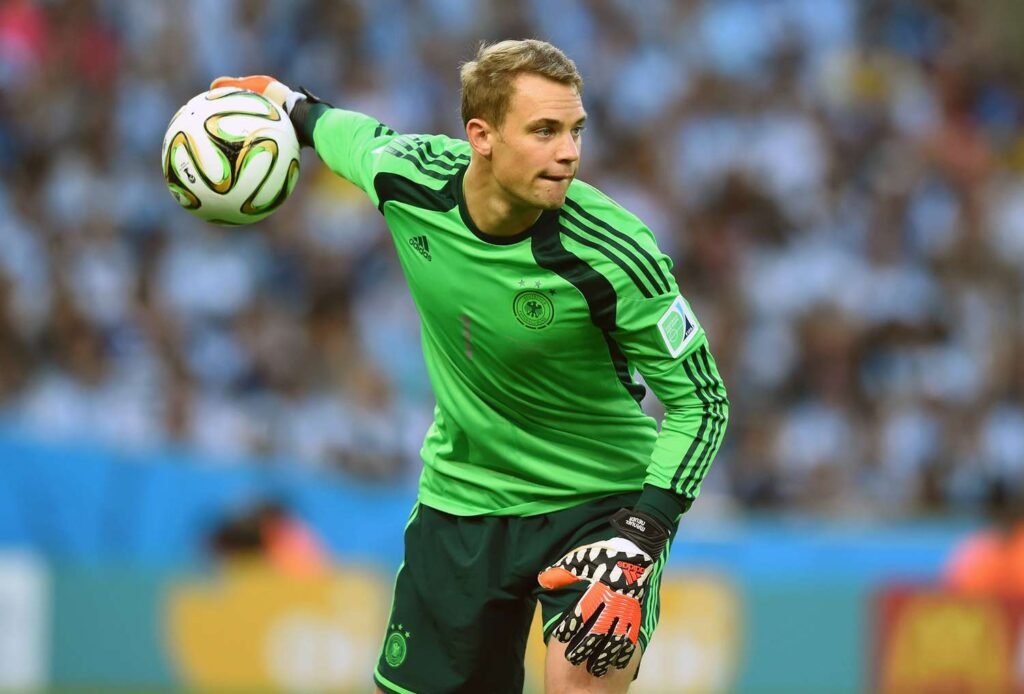
No conversation about the Top Goalkeepers in the World is complete without Manuel Neuer. While slightly older than many emerging goalkeepers, Neuer’s impact on modern football is immeasurable. Playing for FC Bayern Munich and the Germany national football team, Neuer transformed the goalkeeper role into that of a “sweeper-keeper.”
Neuer’s defining feature is his willingness to act as an auxiliary defender. He frequently comes off his line to intercept through balls, clear danger outside the box, and initiate attacks. This aggressive positioning allows teams to maintain higher defensive lines, fundamentally changing tactical approaches in Europe.
Beyond positioning, Neuer’s shot-stopping remains elite. His combination of athleticism, reflexes, and anticipation has allowed Bayern and Germany to achieve consistent domestic and international success. His legacy influences how young goalkeepers are trained worldwide, shaping the future of the position.
Gianluigi Donnarumma – Italy’s Rising Icon
Gianluigi Donnarumma emerged as a teenage sensation and has since solidified his status as one of the Top Goalkeepers in the World. Known for his performances with Paris Saint-Germain F.C. and the Italy national football team, Donnarumma’s composure in high-pressure situations is extraordinary for his age.
His height and reach give him an advantage in aerial duels, while his reflexes allow him to make spectacular saves from close-range shots. Donnarumma played a crucial role in Italy’s 2020 UEFA European Championship victory, showcasing mental strength in penalty shootouts and clutch performances.
Donnarumma represents the new generation of elite goalkeepers: tall, agile, and proficient with ball distribution. He blends physicality with modern tactical intelligence, ensuring his place among football’s best.
Ederson Moraes – The Brazilian Distributor
Ederson Moraes, Manchester City’s first-choice goalkeeper, redefined how a goalkeeper contributes to possession-based football. While his shot-stopping is reliable, Ederson’s true strength lies in his distribution and technical ability.
Under Pep Guardiola, Ederson acts as a deep-lying playmaker, initiating attacks with precision long passes and quick, controlled short passes. His comfort with the ball at his feet allows Manchester City to maintain high lines and aggressive pressing systems.
Ederson’s quick decision-making and tactical understanding enhance City’s fluidity. As a result, he is not only a shot-stopper but a fundamental component of offensive strategy—a trait increasingly important for modern elite goalkeepers.
Key Traits Shared by the Top Goalkeepers in the World
Analyzing the best in the position, several commonalities emerge:
1. Anticipation: Top goalkeepers rarely react—they read the game. Anticipation allows them to position correctly before shots are taken.
2. Commanding Presence: Dominating the penalty area, controlling crosses, and communicating with defenders reduces threats before they develop.
3. Mental Resilience: Goalkeepers face immense scrutiny; elite performers maintain focus under pressure and recover quickly from mistakes.
4. Ball Distribution: Modern football demands goalkeepers to initiate attacks and maintain possession under high press conditions.
5. Consistency: Elite goalkeepers perform reliably across leagues, domestic cups, and international tournaments.
These traits collectively distinguish world-class goalkeepers from merely competent professionals.
Read Also: Most Successful Clubs in History
How Goalkeeping Has Evolved
The evolution of goalkeeping has been striking. Historically, goalkeepers were primarily shot-stoppers. Today, they are integral to team tactics, often acting as the first line of attack and crucial to defensive structure.
The “sweeper-keeper” model pioneered by Manuel Neuer exemplifies this evolution. High defensive lines, pressing systems, and possession-oriented football require goalkeepers to anticipate danger far from the box and participate actively in build-up play.
Furthermore, technological advancements—goal-line technology, VAR, and enhanced analytics—have increased the stakes for goalkeepers, emphasizing precision and awareness. Performance metrics now evaluate not just saves but positioning, distribution accuracy, and decision-making.
Emerging Talent in Goalkeeping
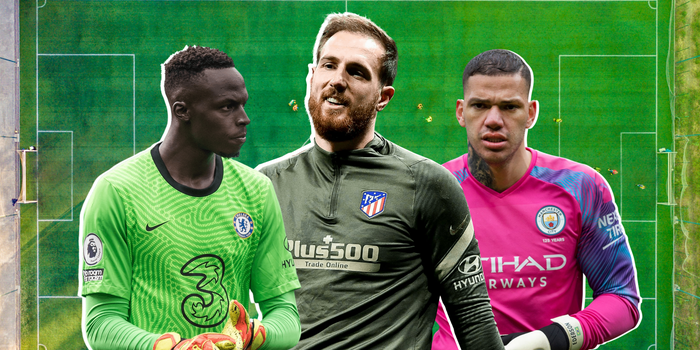
While established names dominate, young goalkeepers are emerging globally, indicating that the position’s evolution continues. Players like Andriy Lunin, Gavin Bazunu, and Maarten Vandevoordt are gaining experience in top leagues and international competitions, combining athletic ability with tactical understanding.
The next generation of goalkeepers benefits from elite coaching, sports science, and exposure to high-pressure games at younger ages. This trend suggests that the Top Goalkeepers in the World will continue to redefine the position in the coming decades.
Psychological Impact of Elite Goalkeepers on Teams
An elite goalkeeper affects not just the ball but the mindset of the entire team. Defenders play with confidence knowing their last line is reliable. Midfielders push higher, trusting coverage behind them. Attackers take calculated risks, confident that the team’s structure is stable.
From my observation, teams with world-class goalkeepers often outperform statistically superior opponents. The psychological edge of knowing a goalkeeper can make impossible saves influences tactics, tempo, and risk-taking, making the position uniquely impactful.
Conclusion
The Top Goalkeepers in the World—Thibaut Courtois, Alisson Becker, Manuel Neuer, Gianluigi Donnarumma, Ederson Moraes, and emerging talents—represent the pinnacle of skill, intelligence, and resilience in modern football. Their contributions extend far beyond shot-stopping: they influence team tactics, inspire confidence, and shape match outcomes.
Goalkeeping has evolved from a reactive role to a proactive, strategic position, demanding technical mastery, mental fortitude, and tactical awareness. Watching elite goalkeepers is not only thrilling but instructive: it reveals how preparation, anticipation, and composure define outcomes in football.
For fans, coaches, and aspiring goalkeepers, studying these players offers invaluable insights into what separates greatness from mediocrity. These goalkeepers do not merely prevent goals—they dictate matches, command respect, and leave an indelible mark on the beautiful game.
In a sport where moments define legends, the Top Goalkeepers in the World ensure that no goal comes easily, and every save resonates far beyond the net. They are the unsung heroes, the architects of defensive mastery, and a testament to football’s evolving art.
Find more helpful guides on Crunchy Greens at tophillsportcom.