Few sporting events command the global attention and emotional intensity of the FIFA World Cup. Every four years, the tournament unites nations, ignites passion, and produces unforgettable stories that linger in memory long after the final whistle. When we talk about the Greatest World Cup Moments, we are exploring more than goals, wins, or trophies—we are celebrating the drama, heroics, and cultural significance that make football the world’s game.
Having followed football for over twenty years and witnessed countless matches both in stadiums and on screen, I can attest that the World Cup is a stage where legends are born, where moments become myth, and where the line between triumph and heartbreak is razor-thin. In this article, we’ll explore some of the most iconic, thrilling, and culturally resonant moments in World Cup history, examining why they endure and how they shaped the sport itself.
Maradona’s “Hand of God” – 1986
No discussion of the Greatest World Cup Moments is complete without the infamous 1986 quarter-final between Argentina national football team and England national football team. Diego Maradona, already a footballing genius, etched his name into history with two contrasting goals in that match.
First came the “Hand of God”—a controversial goal where Maradona used his hand to guide the ball into the net, unseen by the referee. Though illegal, it became a defining World Cup moment for its audacity and controversy. Moments later, Maradona showcased his brilliance with the “Goal of the Century,” dribbling past five English players to score a goal that still inspires awe today.
These two goals encapsulate why the World Cup captivates the world: a single player’s skill, cunning, and charisma can define national pride, generate debate, and create enduring narratives that transcend the sport itself.
Brazil’s 1970 Triumph – The Beautiful Game at Its Peak
The 1970 FIFA World Cup in Mexico is often remembered as the pinnacle of the “beautiful game,” and Brazil’s campaign provides multiple entries in any list of Greatest World Cup Moments. Led by Pelé, Brazil’s team combined technical skill, fluid movement, and tactical intelligence to dominate opponents.
The final against Italy national football team showcased this brilliance, with Brazil’s 4-1 victory celebrated not just for the result but for the style of play. Pelé’s performance, alongside teammates like Jairzinho and Tostão, illustrated football as both an art and a science.
Brazil 1970 remains a reference point for what football can achieve when talent, teamwork, and strategy converge—earning its place as one of the Greatest World Cup Moments in history.
England’s 1966 Glory – A Nation United
For England, the 1966 FIFA World Cup remains a singular source of national pride. Hosting the tournament, England won its first and only World Cup, defeating West Germany 4-2 after extra time in a dramatic final at Wembley.
Geoff Hurst’s hat-trick, including the debated goal that hit the crossbar and bounced near the line, remains one of football’s most discussed controversies. Beyond the goals, the triumph symbolized unity and national celebration, marking a cultural milestone. This moment underscores that the Greatest World Cup Moments often combine sporting achievement with national emotion, creating stories that last generations.
Zinedine Zidane’s 1998 Heroics – France’s First Title
The 1998 World Cup in France produced moments of national euphoria, none more memorable than Zinedine Zidane’s performance in the final against Brazil. Zidane, already a rising star, scored two precise headers in the first half, leading the host nation to a 3-0 victory.
Zidane’s brilliance was not merely technical but also symbolic: a French-Algerian player uniting a diverse nation through football. The triumph, France’s first World Cup title, remains a landmark moment, exemplifying how individual genius, team cohesion, and social resonance intertwine in defining Greatest World Cup Moments.
Germany’s 2014 Triumph – A Historic Goal
The 2014 FIFA World Cup in Brazil is remembered for its intensity and unpredictability, but one moment stands out among the Greatest World Cup Moments: Mario Götze’s extra-time goal in the final against Argentina national football team.
Götze controlled André Schürrle’s cross with exquisite technique and scored the decisive goal, delivering Germany its fourth World Cup title. This goal epitomized precision under pressure and the culmination of years of meticulous German football development. The victory also marked the rise of a generation capable of blending tactical discipline with individual flair, cementing Germany’s position as a footballing powerhouse.
James Rodríguez’s 2014 Goal – The Stunning Strike
Another highlight from the 2014 tournament came from James Rodríguez, whose spectacular goal against Uruguay national football team earned global acclaim. Controlling a high pass with his chest and volleying it from outside the box, Rodríguez scored one of the tournament’s most technically brilliant goals.
This moment reflects how the Greatest World Cup Moments are not solely about victories but also about individual artistry, creativity, and moments that inspire awe worldwide. The goal elevated Colombia on the global football map and cemented Rodríguez’s status as a World Cup star.
The Miracle of Berne – 1954
The 1954 World Cup final between West Germany national football team and Hungary national football team is often called the “Miracle of Berne.” Hungary, unbeaten for four years and favorites to win, faced a resilient German team.
West Germany’s 3-2 victory, overturning a 2-0 deficit, shocked the football world and demonstrated the unpredictable drama of the tournament. This match remains emblematic of how underdog triumphs and resilience contribute to the Greatest World Cup Moments, proving that football is as much about heart as skill.
South Korea’s 2002 Run – Unexpected Heroes
The 2002 World Cup, co-hosted by South Korea and Japan, produced one of the tournament’s most extraordinary narratives. South Korea, guided by Guus Hiddink, advanced to the semi-finals, defeating traditional powerhouses like Italy and Spain.
While they did not win the title, South Korea’s run is celebrated as one of the Greatest World Cup Moments because it exemplified determination, tactical innovation, and the ability of less-favored nations to challenge football’s established hierarchy. It also expanded the sport’s global reach, inspiring millions across Asia.
Iconic Penalty Shootouts – Drama Under Pressure
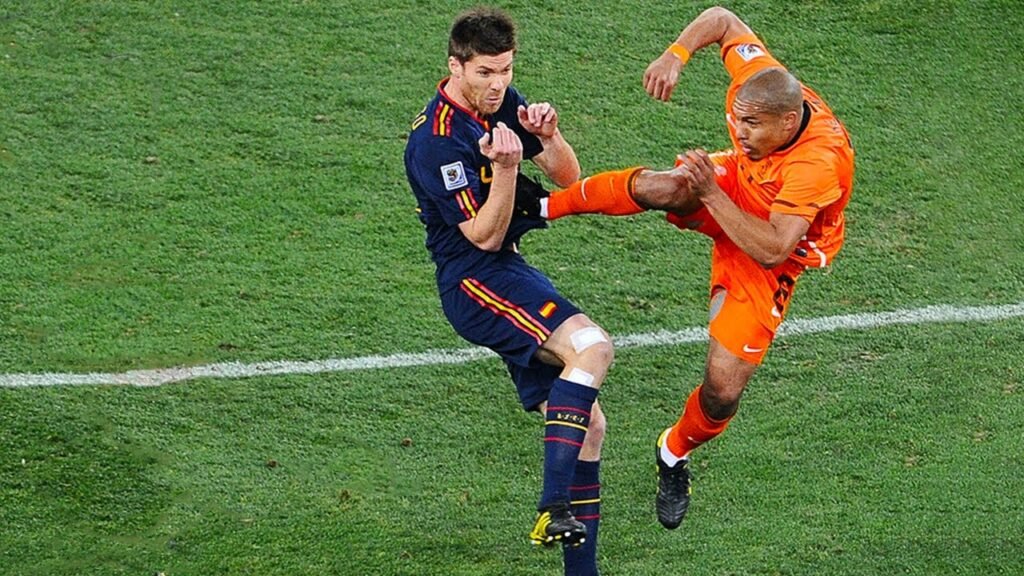
Penalty shootouts often define World Cup legacies. Moments like the 1994 USA vs. Brazil final, where Brazil triumphed on penalties, or the 2006 final, decided by Zinedine Zidane’s infamous headbutt and subsequent shootout, highlight the intensity and psychological drama of the World Cup.
The tension, the stakes, and the human element make penalty shootouts a recurring source of Greatest World Cup Moments, blending skill, nerve, and unpredictability into a spectacle watched by billions.
Cultural and Emotional Impact
What separates the Greatest World Cup Moments from ordinary football highlights is their cultural resonance. Maradona’s exploits, Pelé’s artistry, and Zidane’s leadership transcended sport, shaping national identity, inspiring art, music, and literature, and influencing generations of players.
World Cup moments often reflect broader social narratives: triumph over adversity, national pride, or the emergence of footballing philosophies. These stories endure because they connect deeply with human emotion, making the tournament much more than a series of matches.
Emerging Stars Creating New Moments
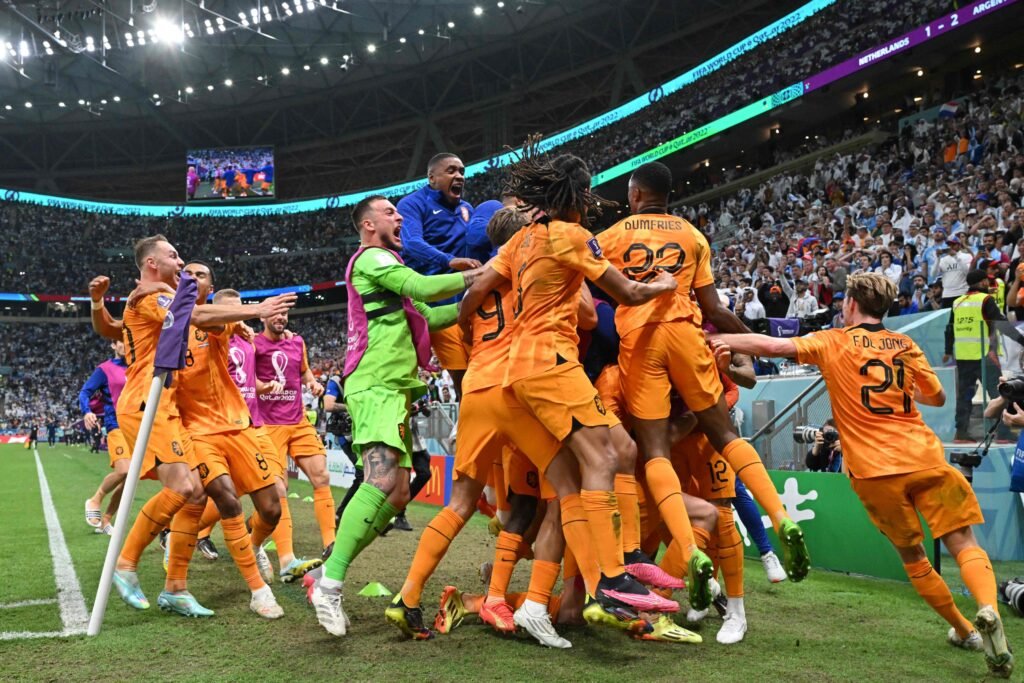
Every World Cup introduces new heroes and memorable moments. Players like Kylian Mbappé in 2018 and Lionel Messi in 2022 produced performances that rival the legends of past decades. Mbappé’s speed, precision, and composure at just 19 years old electrified France’s campaign, while Messi’s leadership and technical mastery highlighted his enduring greatness.
These modern moments continue the tradition of the Greatest World Cup Moments, showing that while the players and styles evolve, the tournament’s capacity for drama and storytelling remains constant.
Why the World Cup Endures
The World Cup’s power lies in its ability to combine skill, drama, emotion, and cultural significance. Each tournament produces narratives that extend far beyond sport, creating memories that define generations. From Maradona to Messi, Pelé to Rodríguez, the tournament consistently generates moments that inspire, challenge, and unite.
These moments endure because they are unpredictable, emotionally charged, and globally visible. They remind us why football captivates billions: it is a game where heroes emerge, where miracles happen, and where national drea
ms are realized on the world stage.
Conclusion
The Greatest World Cup Moments are not defined solely by who lifts the trophy but by the stories that unfold during the tournament—moments of brilliance, controversy, drama, and inspiration. From Maradona’s “Hand of God” to Brazil’s 1970 artistry, from Zidane’s leadership in 1998 to Götze’s decisive strike in 2014, these events transcend football, becoming part of global culture and collective memory.
For fans, players, and nations, the World Cup is more than a competition; it is a stage for legends and a canvas for unforgettable moments. By examining these iconic events, we appreciate not only the skill and strategy involved but also the emotional resonance that defines why the FIFA World Cup remains the world’s most celebrated sporting event.
Every four years, the tournament reminds us that football is unpredictable, inspiring, and eternally thrilling. The Greatest World Cup Moments are living proof of why the game captures hearts and imaginations across generations, leaving a legacy that extends far beyond the final whistle.
Find more helpful guides on Crunchy Greens at tophillsportcom.