
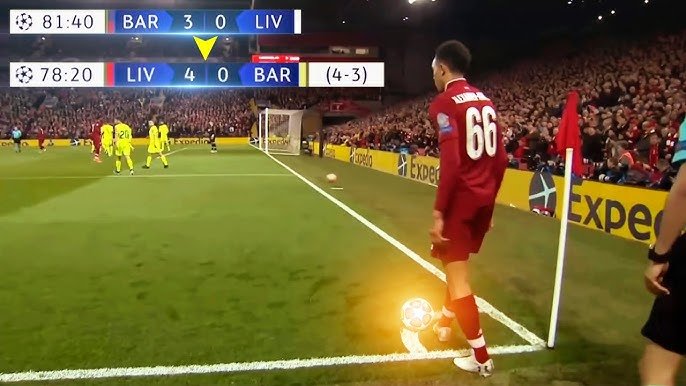
In the world of sports, few narratives captivate audiences like the story of a comeback. Watching an athlete rise from defeat, injury, or personal struggle to achieve greatness is not just inspiring—it’s transformative. The stories of Players Who Made Historic Comebacks transcend the statistics of wins and losses, revealing the resilience, determination, and mental strength that define elite athletes. These moments remind us why sports are more than just a game; they are a reflection of the human spirit, showcasing courage in the face of adversity.
Having spent decades analyzing the careers of some of the greatest athletes across football, tennis, cricket, and boxing, I’ve observed a common thread in every comeback story: the ability to overcome seemingly insurmountable challenges while maintaining focus on a singular goal. In this article, we will explore some of the most iconic comebacks in sports history, examining the context, the challenges, and the lessons that make these stories unforgettable.
The Essence of a Comeback
A comeback is not merely a return to play; it is a demonstration of mental fortitude and resilience. Athletes who stage historic comebacks often face a combination of physical injuries, personal setbacks, or professional slumps. What sets these players apart is their ability to adapt, reinvent themselves, and perform at the highest level after adversity.
From a psychological standpoint, a successful comeback requires a mindset that embraces patience, discipline, and a willingness to confront failure head-on. Coaches, support staff, and personal mentors often play crucial roles in these journeys, but the ultimate driver is the athlete’s own perseverance. Understanding these dynamics is key to appreciating why stories of comeback are among the most celebrated moments in sports.
Tiger Woods – Returning to the Top
Few comebacks in sports history are as remarkable as that of Tiger Woods. After dominating golf for over a decade, Woods faced a series of personal and professional crises, including injuries, surgeries, and highly publicized personal issues. By 2017, his career appeared in jeopardy; many doubted whether he could compete at an elite level again.
Yet, in 2019, Woods staged one of the most astonishing comebacks in sports history by winning the Masters Tournament. This victory was not merely a return to form—it symbolized resilience, meticulous preparation, and an unyielding belief in his abilities. Woods’ journey reminds us that physical skill, combined with mental toughness, can overcome nearly any obstacle.

Serena Williams – Returning to Glory After Motherhood
The journey of Serena Williams also exemplifies the power of comebacks. After giving birth in 2017, Williams faced both physical challenges and the pressures of competing against a younger generation of athletes. Many doubted whether she could reclaim her status among the world’s elite.
However, through rigorous training, strategic scheduling, and unparalleled determination, Williams returned to major finals, demonstrating that resilience and passion can defy expectations. Her comeback is not just a story of athletic achievement but also an illustration of how personal transformation and life changes can coexist with professional excellence.
Michael Jordan – From Retirement to Dominance
Few stories are as iconic as that of Michael Jordan. After leading the Chicago Bulls to multiple NBA championships, Jordan retired in 1993 following his father’s death. Many believed he had concluded his career at the peak of his powers.
In 1995, Jordan returned to basketball, initially announcing his comeback with the simple phrase, “I’m back.” He not only reintegrated into the team but went on to lead the Bulls to three more consecutive NBA championships from 1996 to 1998. Jordan’s story exemplifies the mental toughness and competitive drive required to return to peak performance after both personal tragedy and time away from the sport.
Cristiano Ronaldo – Defying Age and Setbacks
Cristiano Ronaldo’s career is often defined by longevity and consistency, but his ability to make comebacks in critical situations solidifies his legendary status. Throughout his career, Ronaldo faced injuries, intense competition, and scrutiny over his age, especially during his later years at Juventus F.C. and back at Manchester United F.C..
Despite these challenges, Ronaldo repeatedly returned to top form, delivering critical goals in key tournaments like the UEFA Champions League and international competitions with Portugal. His capacity to adapt his playing style and maintain peak performance demonstrates how tactical intelligence, fitness, and sheer willpower are crucial elements of a comeback.
Lance Armstrong – Controversial Yet Noteworthy
While the story of Lance Armstrong is marred by controversy, his comeback from testicular cancer in 1996 to dominate professional cycling remains historically significant. Armstrong’s battle with illness required not only physical rehabilitation but an extraordinary mental and emotional resilience.
Though his later doping revelations tarnished his sporting achievements, the initial comeback illustrates the power of human determination in overcoming life-threatening challenges. Stories like Armstrong’s highlight that comebacks are as much about overcoming personal battles as they are about athletic performance.
Recovering from Injury – The Ultimate Test
Injury is one of the most common barriers athletes face when attempting a comeback. ACL tears, broken bones, and career-threatening conditions can derail even the most promising careers. Yet, players who stage comebacks from severe injuries often become symbols of perseverance and determination.
Consider footballers like Aaron Ramsey or basketball stars like Paul George, who returned from devastating injuries to perform at elite levels. These comebacks involve months of rehabilitation, psychological conditioning, and often a reevaluation of playing style to accommodate new physical realities. Such stories perfectly exemplify why Players Who Made Historic Comebacks are celebrated not only for wins but for their courage and resilience.
Mental Strength: The Underrated Ingredient
A key factor in all historic comebacks is mental strength. Physical recovery alone does not ensure a successful return. Athletes must overcome fear of reinjury, public scrutiny, and the pressure to perform at previous levels.
Sports psychologists, mental conditioning coaches, and meditation techniques increasingly play critical roles in helping athletes rebuild confidence and focus. Mental resilience allows players to confront uncertainty, maintain motivation, and push beyond previous limitations—essential components of any comeback story.
Inspiring the Next Generation
Stories of comebacks inspire more than just fans—they influence aspiring athletes worldwide. Young players learn that setbacks, failures, and even public criticism are not the end of their journey. Whether it’s a sprinter returning from a hamstring injury or a footballer regaining form after being sidelined, these narratives teach invaluable lessons about perseverance, patience, and the long-term nature of success.
Many athletes who have staged comebacks also invest in community programs, mentoring young talent, and sharing their experiences publicly. By doing so, they turn personal victories into collective inspiration, proving that comebacks resonate far beyond the stadium or court.
Read Also: Players Who Overcame Serious Injuries
Lessons from Historic Comebacks
Analyzing the journeys of Players Who Made Historic Comebacks reveals several universal lessons:
- Resilience is cultivated through adversity – every setback offers an opportunity for growth.
- Support networks are vital – coaches, medical teams, and mentors can accelerate recovery and performance.
- Adaptation ensures longevity – modifying training, playing style, and strategies can extend careers.
- Mental fortitude matters as much as physical ability – overcoming fear and self-doubt is critical.
- Persistence beats immediate gratification – comebacks are a marathon, not a sprint.
These lessons are applicable both within and beyond sports, offering guidance for anyone facing challenges in personal or professional life.
Global Examples Across Sports
While football, tennis, and golf offer prominent examples, historic comebacks occur across all sports disciplines:
- In cricket, Ben Stokes returned from injury and personal challenges to lead England to dramatic victories in Test matches and the 2019 Cricket World Cup final.
- In athletics, Usain Bolt overcame injuries and intense competition to continue breaking world records in sprinting events.
- In basketball, Kobe Bryant’s recovery from severe injuries and continued excellence exemplified resilience at the highest level.
These examples underscore that comebacks are universal across sports and that the principles behind them—discipline, perseverance, and mental toughness—are consistent regardless of the arena.
Conclusion
The stories of Players Who Made Historic Comebacks are more than sports highlights—they are human narratives of courage, determination, and the power of perseverance. Athletes like Tiger Woods, Serena Williams, Michael Jordan, Cristiano Ronaldo, and many others demonstrate that setbacks, injuries, and personal struggles do not define destiny; effort, focus, and resilience do.
Comebacks inspire, educate, and transform not only the athletes themselves but also the communities and fans who witness them. They highlight the importance of mental fortitude, structured support, and adaptive strategies, while providing timeless lessons for life both on and off the field.
Ultimately, the appeal of these comebacks lies in their universality. Whether overcoming injury, personal tragedy, or career slumps, these athletes remind us that success is not linear, and setbacks are merely a chapter in a larger story. The journeys of historic comebacks illustrate the very essence of sport: the pursuit of excellence, the triumph over adversity, and the enduring belief that greatness is achievable, no matter the odds.
These stories remain etched in memory, celebrated not only for trophies and records but for their testament to human perseverance—the very reason why sports continue to inspire generations around the world.
Find more helpful guides on Crunchy Greens at tophillsportcom.